A record that survives is not automatically one that can be trusted. What a reader in a century can check, what they cannot, and why the proof must live next to the content.
Encryption protects a record and seals it just as well. How keys are held over decades decides whether anyone can ever open what was so carefully kept.
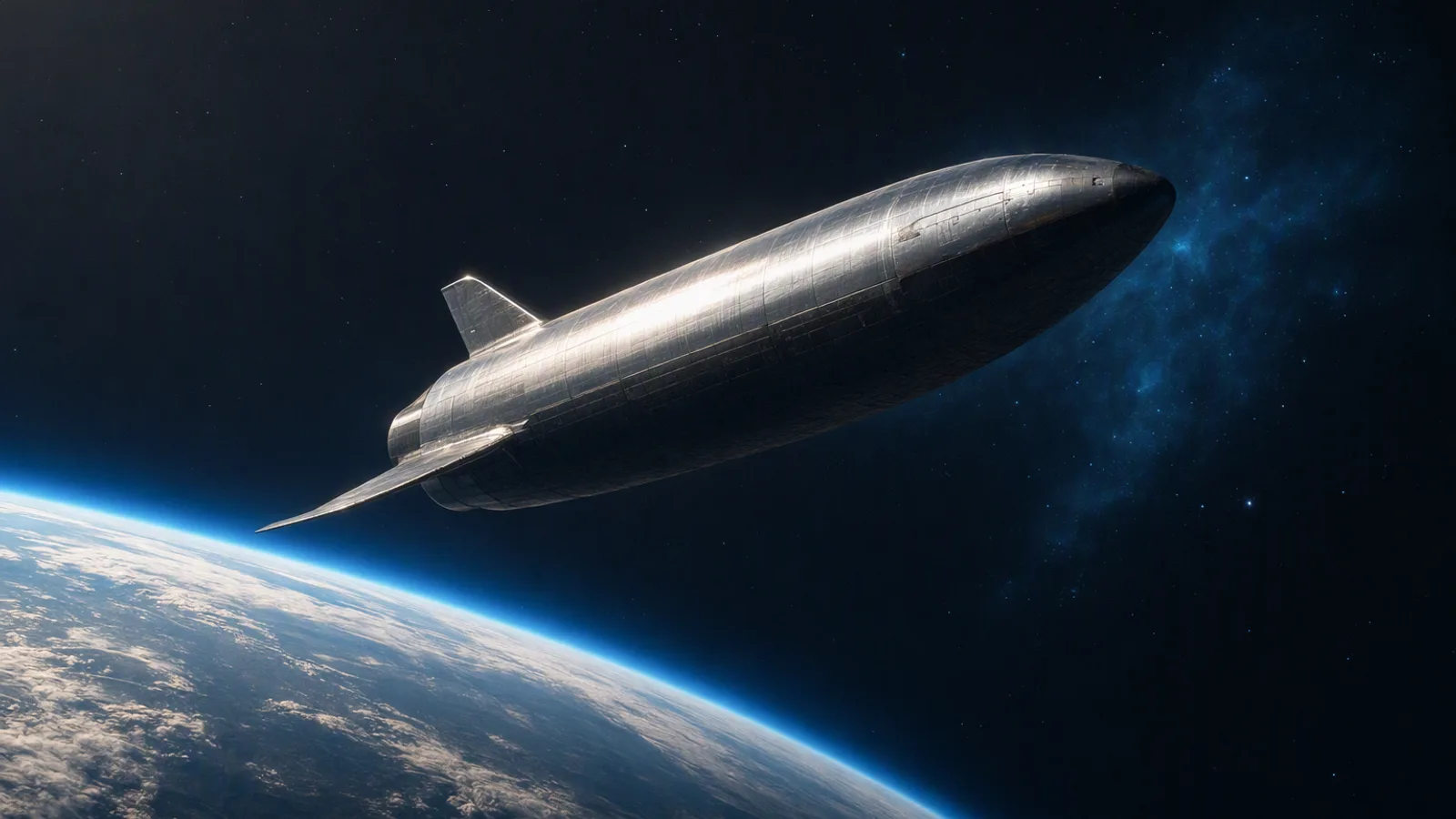
Cheap mass to orbit makes off-planet archives sound close. Launch was never the hard part of keeping a record readable, and Starship does nothing about the parts that are.
Microsoft says data in glass should last 10,000 years; a crystal riding a Tesla around the Sun claims far more. What the numbers mean, and what glass cannot fix.
Most CubeSats burn up within a few years. The ten-centimetre specification they are built to has lasted more than a quarter of a century, and that is the part worth copying.
In 2019 a nickel archive of human knowledge hit the Moon aboard the Beresheet lander. It probably survived, which is exactly why it teaches what survival means.
In 2020 GitHub put a snapshot of every active public repository on film in a mine on Svalbard, designed to last a thousand years. The film is the least interesting part.
Format obsolescence is the failure mode nobody notices until it has already happened, and the defence is unglamorous, well understood and mostly ignored.
Systems that simulate the dead are being sold now. The objection is not that they are eerie — it is that they overwrite the record they were built from.
The hardest preservation question is not storage. It is what a record must contain to be understood by someone who shares nothing with the people who made it.